by admin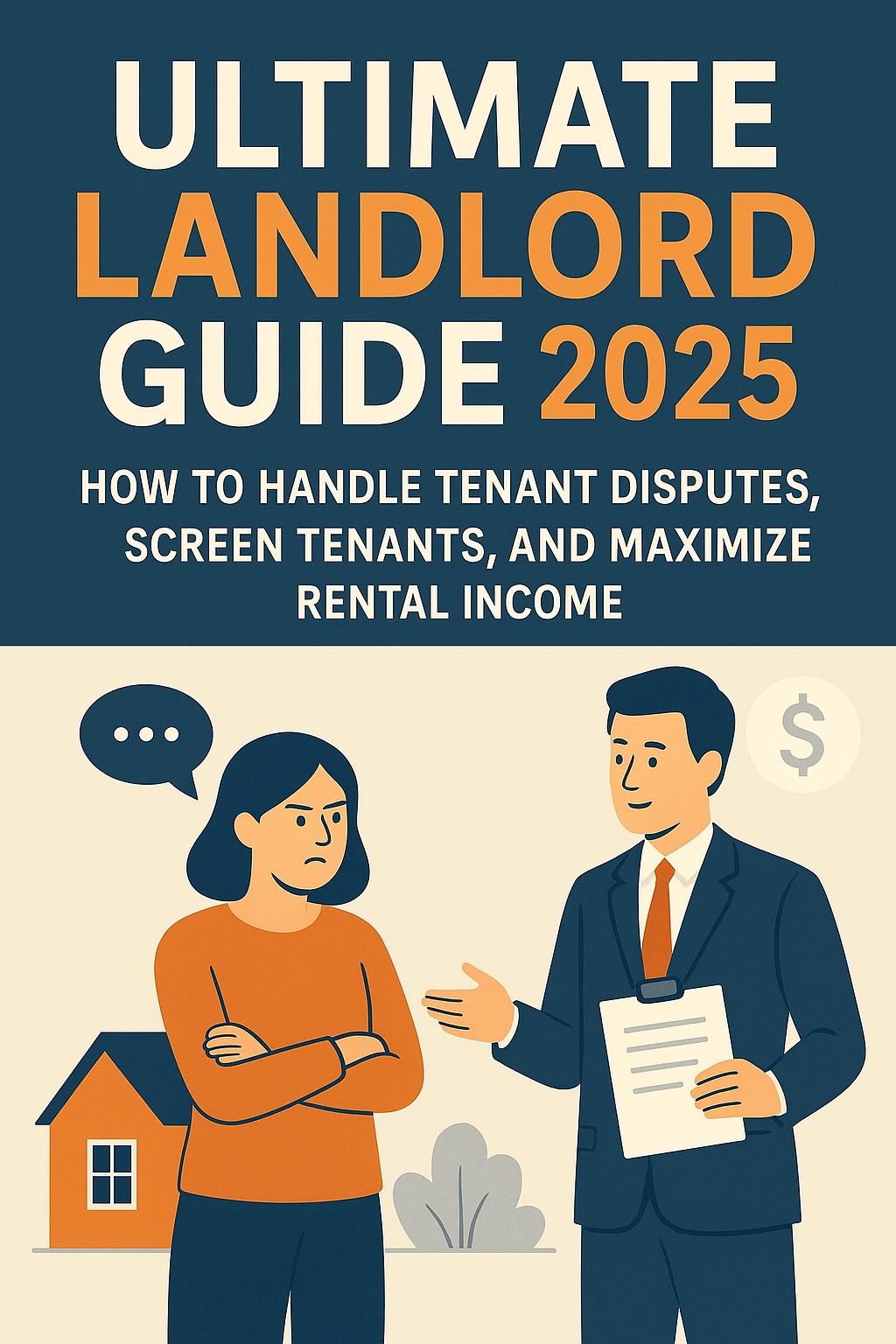
Managing rental property successfully requires more than collecting rent. Landlords must know how to prevent tenant disputes, follow the legal eviction process, screen tenants professionally, and implement strategies that increase rental income.
This guide explains how property owners and real estate investors can manage tenants smoothly while maximizing profitability.
1. How to Deal With Tenant Disputes and Evictions
Tenant issues are inevitable—but how you handle them determines the stability of your rental income, your reputation, and your legal protection.
1.1 Common Tenant Disputes and How to Prevent Them
1. Late rent or non-payment
Prevention strategy:
-
Set clear rent dates in the lease.
-
Offer digital payment options.
-
Send automated reminders.
-
Charge late fees consistently.
2. Property damage
Prevention:
-
Conduct thorough move-in inspections.
-
Use detailed check-in/check-out reports.
-
Collect adequate security deposits.
3. Noise or neighbor complaints
Prevention:
-
Add noise rules in the lease.
-
Enforce quiet hours.
-
Screen tenants for behavior history.
4. Unauthorized occupants or pets
Prevention:
-
Include visitor/pet policies in the lease.
-
Conduct occasional inspections.
5. Maintenance disputes
Prevention:
-
Respond quickly to repair requests.
-
Document every communication.
-
Keep the property well-maintained.
1.2 Documentation and Communication: Your Best Protection
Proper record-keeping protects you if disputes escalate.
Document:
-
All communication (emails, texts, letters)
-
Receipts for rent and payments
-
Maintenance and repair logs
-
Photos/videos of property condition
-
Copies of all notices served
Communicate professionally:
-
Be polite and factual.
-
Stick to the lease terms.
-
Avoid emotional or personal exchanges.
1.3 Legal Eviction Process (General Framework)
Eviction laws vary by country or county, but most follow these steps:
Step 1: Serve a Written Notice
Examples:
-
Notice to Pay or Quit (for rent arrears)
-
Notice to Cure or Quit (for breach of lease)
-
Notice to Vacate (for termination)
Step 2: File an Eviction Case
If the tenant ignores the notice, file a formal eviction suit with the tribunal or court.
Step 3: Court Hearing
Provide:
-
Lease agreement
-
Payment records
-
Notices served
-
Evidence of violation
Step 4: Enforcement
If the ruling favors you, the court issues a vacate order. Never evict a tenant yourself—always use authorized officers.
1.4 Alternatives to Eviction
Evictions are costly and time-consuming. Before filing:
✔ Mediation
Neutral third-party helps resolve issues.
✔ Payment plans
For good tenants experiencing temporary hardship.
✔ Lease amendments
If circumstances have changed.
✔ Early lease termination agreement
Helps both parties part ways peacefully.
2. How to Screen Tenants Effectively
Selecting the right tenant is the most important step in property management. Good screening prevents disputes, defaults, and evictions.
2.1 Set Clear Tenant Application Criteria
Define what makes a qualified tenant. Common criteria include:
Income Requirements
-
Tenant should earn 2.5–3x the monthly rent.
Credit/financial history
-
Check for past defaults, high debt ratios, or financial red flags.
Employment verification
-
Confirm stable job or business.
Rental history
-
Contact previous landlords.
Background checks
-
Look for prior evictions, criminal history (where legally allowed), or fraud.
2.2 Performing Professional Tenant Checks
✔ Background check
Shows character, past disputes, or red flags.
✔ Credit check
Reveals financial responsibility.
✔ Reference verification
Contact:
-
Employer
-
Previous landlord
-
Guarantor
✔ Site Visit
Check the tenant’s current residence:
-
Cleanliness
-
Behavior
-
How they maintain property
This is one of the best ways to know what to expect.
2.3 Conducting Interviews
Ask:
-
Why they are moving
-
Occupancy details
-
Employment status
-
Lifestyle habits
-
Expected stay duration
Look for consistency with the application form.
2.4 Write a Strong Lease Agreement
A strong lease prevents 80% of disputes.
Include:
-
Rent amount, due date, late fees
-
Security deposit terms
-
Maintenance responsibilities
-
Guest/pet policy
-
Noise rules
-
Grounds for termination
-
Inspection schedule
-
Payment methods
-
Dispute resolution process
3. How to Maximize Rental Income as a Landlord
Increasing rental income is not just about raising rent—it’s about strategic property management, tenant satisfaction, and smart investments.
3.1 Set the Right Market Rent
Use:
-
Comparable rentals (comps)
-
Online rental platforms
-
Local real estate agents
-
Annual rental index reports
Avoid setting rent too high—this leads to vacancies.
3.2 Smart Upgrades That Boost Property Value
Affordable improvements that justify higher rent:
✔ Fresh paint
Instantly increases value.
✔ Modern lighting fixtures
Makes the unit look new.
✔ Kitchen and bathroom upgrades
High ROI areas.
✔ Fast, stable WiFi
A top tenant priority today.
✔ Security improvements
Alarm systems, CCTV, reinforced doors.
3.3 Reduce Vacancy With Better Marketing
Market your rental effectively:
-
High-quality photos
-
Short videos and virtual tours
-
Listings on major real estate platforms
-
Social media ads
-
Optimized property descriptions
Fast marketing = faster occupancy.
3.4 Improve Tenant Retention
Good tenants should be kept.
Retention strategies:
-
Respond to repairs quickly
-
Offer renewal incentives
-
Keep common areas clean
-
Maintain professional communication
-
Conduct regular inspections
Happy tenants stay longer—and reduce turnover costs.
3.5 Rent Increases: How and When to Do Them
Check local tenancy laws, then follow these principles:
-
Increase rent once per year.
-
Give legal notice (often 60–90 days).
-
Justify increases with:
-
Inflation
-
Upgrades
-
Market rates
-
Improved services
-
Keep increases reasonable to avoid losing tenants.
Conclusion
Running a successful rental property business requires:
✔ Strong tenant screening
✔ Clear documentation and communication
✔ Compliance with tenancy laws
✔ Smart strategies to maximize rental income
✔ Professional handling of disputes
With the right systems in place, landlords can enjoy steady cash flow, fewer disputes, and long-term profitability.