by admin
🏗️ What a Feasibility Study Entails in a Real Estate Project
Before breaking ground on a real estate project, one crucial question must be answered — is the project viable?
A feasibility study is an in-depth analysis that helps investors, developers, and financiers determine whether a proposed real estate development is practical, profitable, and sustainable. It examines all critical aspects — market demand, site conditions, technical design, legal compliance, financial performance, and risks — before committing resources.
Whether it’s a housing estate, shopping mall, mixed-use complex, office block, or resort, a feasibility study provides the facts and projections needed to make sound investment decisions.
🧱 What Is a Feasibility Study in Real Estate?
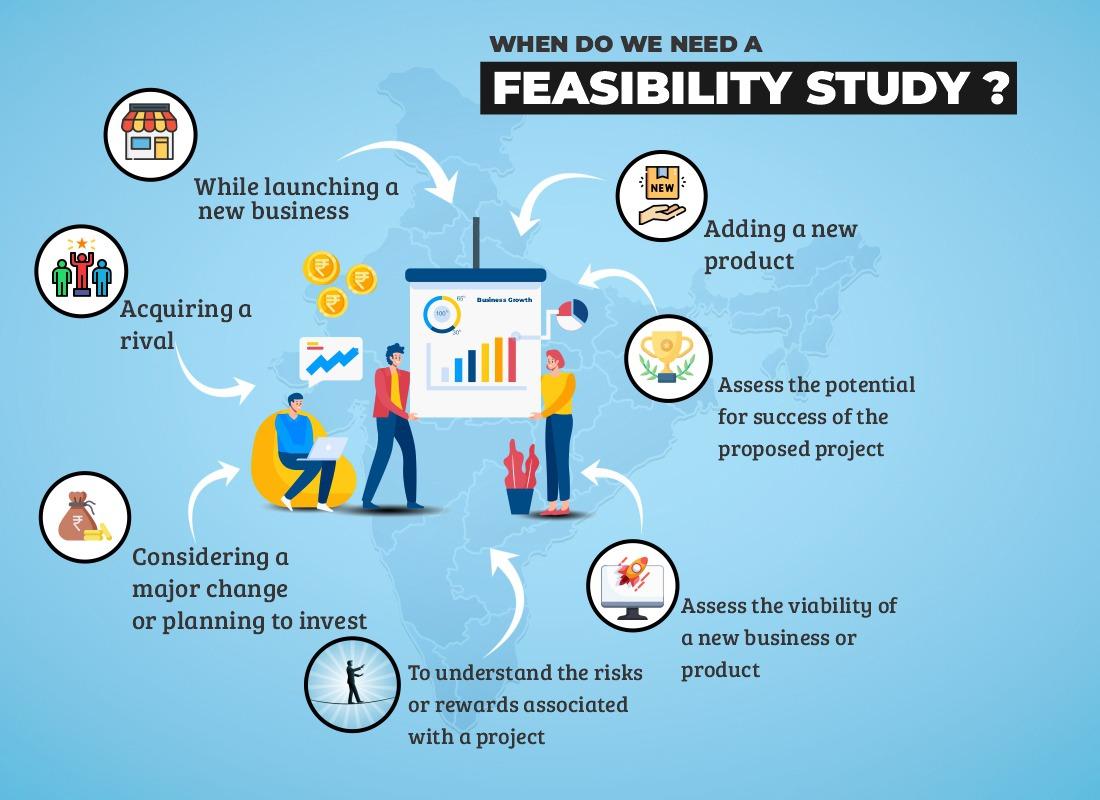
In simple terms, a feasibility study is a decision-making tool that assesses the potential success of a proposed property project. It answers questions like:
-
Is there a market demand for this development?
-
Is the site suitable for the intended use?
-
What are the costs and expected returns?
-
What risks are involved, and how can they be minimized?
-
Is the project legally and technically feasible?
By providing answers to these questions, a feasibility study ensures that investors do not make decisions based on assumptions, but on verified data and realistic projections.
🏗️ Key Components of a Real Estate Feasibility Study
A professional feasibility study is detailed and multi-dimensional. It typically includes the following sections:
1. Project Identification and Concept Development
This is the starting point of the study — defining exactly what the project is about.
It outlines:
-
Project background and objectives: Why the project is being considered — e.g., to meet housing demand, generate rental income, or create a commercial hub.
-
Location analysis: Site address, access roads, neighborhood characteristics, and proximity to amenities.
-
Project concept: Type of development (residential, commercial, industrial, or mixed-use), proposed unit sizes, design standards, and key features.
-
Strategic positioning: The unique selling proposition (USP) that will differentiate the development in the market.
A clear definition ensures the study remains focused and relevant to the investor’s vision.
2. Market Analysis and Demand Assessment
This section evaluates the economic and demographic context of the project location to determine market potential. It answers:
-
Who are the target customers (tenants, buyers, investors)?
-
What are their income levels and preferences?
-
What is the current and future demand for similar properties?
-
What is the level of competition?
The analysis includes:
-
Demographic trends: Population growth, household income, employment levels, and migration patterns.
-
Supply analysis: Existing and upcoming developments in the area.
-
Pricing study: Current market prices, rental rates, absorption rates, and occupancy levels.
-
Gap analysis: Unmet demand segments or opportunities (e.g., affordable housing, student accommodation, serviced apartments).
This stage ensures the project concept is market-driven — not developer-driven — increasing its chances of success.
3. Site and Technical Feasibility
Not every site is suitable for every project. This part assesses the physical and technical viability of the location. It involves:
-
Topography and soil conditions: Suitability for construction and foundation design.
-
Site access and infrastructure: Roads, drainage, water supply, electricity, and waste disposal.
-
Zoning and land use regulations: Compliance with county or national planning policies.
-
Environmental considerations: Environmental Impact Assessment (EIA), waste management, and sustainability measures.
The goal is to ensure that the proposed development is technically achievable, environmentally sound, and cost-efficient to construct.
4. Legal and Regulatory Review
Every real estate development must comply with a range of laws, policies, and approvals.
The study evaluates:
-
Land ownership and title: Verification of ownership documents and absence of disputes or encumbrances.
-
Change of user and subdivision approvals: If land use must be altered or re-planned.
-
Development control requirements: Building height limits, plot ratios, and setback guidelines.
-
Building and environmental permits: Approvals required from local and national authorities.
This stage ensures the project is legally secure and avoids future litigation or delays in development approvals.
5. Financial Feasibility and Investment Appraisal
This is the most critical section for investors — it evaluates whether the project is financially viable.
It includes:
-
Cost estimation: Land acquisition, design, construction, professional fees, marketing, financing, and contingencies.
-
Revenue projections: Anticipated income from sales, rentals, or leases.
-
Cash flow projections: Timing of expenses and revenues over the project period.
-
Profitability indicators:
-
Net Present Value (NPV) – value of future cash flows discounted to the present.
-
Internal Rate of Return (IRR) – rate of return the project is expected to generate.
-
Return on Investment (ROI) – profit relative to total investment.
-
Payback Period – how long it takes to recover initial capital.
-
-
Sensitivity and risk analysis: Testing how changes in costs, prices, or market conditions affect profitability.
A positive financial feasibility indicates the project is bankable, while a negative outcome may lead to redesign or abandonment.
6. Risk Assessment and Mitigation Strategy
No project is risk-free — the feasibility study identifies potential financial, technical, market, and regulatory risks.
Examples include:
-
Fluctuating construction costs or interest rates.
-
Lower-than-expected sales or occupancy.
-
Delays in permits or approvals.
-
Changes in government policy or zoning laws.
Each risk is analyzed, and corresponding mitigation measures are proposed — such as cost control mechanisms, phased implementation, or diversified funding strategies.
Effective risk assessment ensures the project is resilient and adaptable to changing circumstances.
7. Implementation and Management Plan
This section focuses on how the project will be executed once approved. It includes:
-
Project timeline: Key milestones from design and approvals to completion.
-
Project team: Developers, architects, valuers, engineers, contractors, and marketing professionals.
-
Procurement strategy: How contractors and suppliers will be selected.
-
Financing plan: Sources of funding — equity, debt, or joint ventures.
-
Marketing and sales strategy: How units will be promoted, priced, and sold or leased.
A well-detailed plan demonstrates that the project can be efficiently implemented and managed to completion.
8. Conclusion and Recommendations
The feasibility study ends with a comprehensive summary of findings and recommendations. It gives a clear verdict on whether:
-
The project is fully feasible as proposed,
-
Partially feasible but needs adjustments (e.g., reduced scale, modified pricing, or different market focus), or
-
Not feasible under current conditions.
Recommendations also guide investors on the next steps, such as securing approvals, detailed design, or seeking financing.
🌍 Importance of a Feasibility Study in Real Estate
Conducting a feasibility study provides several benefits:
✅ Reduces risk: Identifies potential challenges before investment.
✅ Informs decision-making: Provides data-driven insights instead of assumptions.
✅ Builds investor confidence: Lenders and partners prefer projects backed by professional studies.
✅ Ensures market relevance: Aligns development with real market demand.
✅ Optimizes financial outcomes: Helps achieve maximum profitability with controlled costs.
In essence, a feasibility study is the blueprint for success in any property development venture.
🧩 Real-World Example
Imagine a developer planning to build a mixed-use complex in Diani combining retail shops, serviced apartments, and office space.
A feasibility study would:
-
Analyze whether there’s enough tourist and business demand to sustain such a project.
-
Review local infrastructure, accessibility, and planning regulations.
-
Estimate total construction and operating costs.
-
Project potential rental income and sale prices.
-
Calculate expected IRR and payback period.
-
Identify risks such as low occupancy during off-peak seasons.
Only after confirming that the project is financially sound and market-viable would the investor proceed to design and construction — saving time, money, and effort.
💡 Final Thoughts
A real estate feasibility study is not just a formality — it’s a critical foundation for any successful development.
It brings together market research, financial modeling, technical evaluation, and risk management into one document that determines whether a project idea should move forward.
Whether you’re planning a residential estate, commercial tower, or tourism resort, conducting a feasibility study is the best way to ensure your investment is strategic, sustainable, and profitable.
We specialize in preparing comprehensive feasibility studies for residential, commercial, and mixed-use developments across Kenya. Our reports provide independent, data-driven insights to help investors and developers make confident decisions.
📞 Contact us today to discuss your project and discover whether it’s truly feasible — before you build.